John Ovington (1653-1731) was an English chaplain who traveled to India and whose travelogue offers a unique perspective on late 17th-century global encounters, blending religious and moral commentary with practical observations on trade and culture.
Life and Mission
Ovington’s journey began in 1689 as a chaplain aboard the Benjamin, an “Advice-Ship” sent to announce the peaceful ascension of King William and Queen Mary. His mission, therefore, was not only commercial but also political and religious. He was a man of the cloth, and his account is shaped by a deep-seated Protestant faith and a moralizing worldview.
Impact and Legacy
Ovington’s work, A Voyage To Surat In The Year 1689, is a significant historical document that stands apart from more secular travelogues. He is meticulous in his observations on trade and navigation, but he is equally, if not more, concerned with the spiritual and ethical character of the people he encounters. His account is notable for its sharp critique of Catholicism as practiced by the Portuguese in Madeira, which he contrasts with the English Protestant temperament.
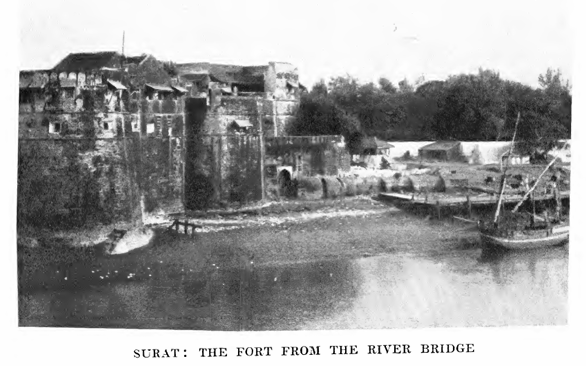
His writing is a testament to the ways in which religious and moral convictions intertwined with early modern exploration and commerce. It provides a valuable, if biased, perspective on the clash of cultures and the reinforcement of European religious superiority in the late 17th century. His travelogue is a crucial resource for understanding the multifaceted motivations behind European expansion, which extended beyond mere economics and diplomacy to include moral and religious crusades.