Jean de Thévenot (1633–1667) was a French traveler and botanist whose travelogue is celebrated for its systematic and pragmatic approach to documenting the places he visited.
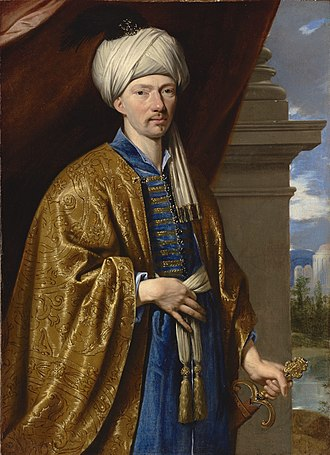
Life and Mission
Thévenot’s extensive travels began in 1655, taking him through Europe, Asia, and Africa. His voyage to India, which is the subject of his book Voyages Contenant La Relation de l’Indostans, began in 1665. Unlike his contemporaries, who often had commercial or diplomatic motives, Thévenot’s purpose was primarily intellectual and scientific. He was a meticulous observer who sought to provide a comprehensive and practical guide for future travelers, focusing on the logistics of the journey, local customs, and political administration.
Impact and Legacy
Thévenot’s travelogue is a cornerstone of 17th-century travel literature because of its rigorous and scholarly nature. He moved beyond personal anecdotes to offer a detailed and factual account of the regions he traversed. His work is particularly valuable for its descriptions of the Mughal Empire, including its administrative structures, customs regulations, and military organization. He was a keen observer of the political landscape, offering critiques and corrections to the exaggerated claims of other travelers.
His writings were widely read and respected for their accuracy and practicality. They influenced later travel writers and scholars, helping to establish a more scientific and systematic approach to travel writing. Thévenot’s legacy lies in his contribution to the transformation of the travelogue from a mere adventure story into a serious work of geographic and cultural documentation.